



Wisdom Matters: Reading Literature for a Wiser World

Toni-Morrison-1993.jpg
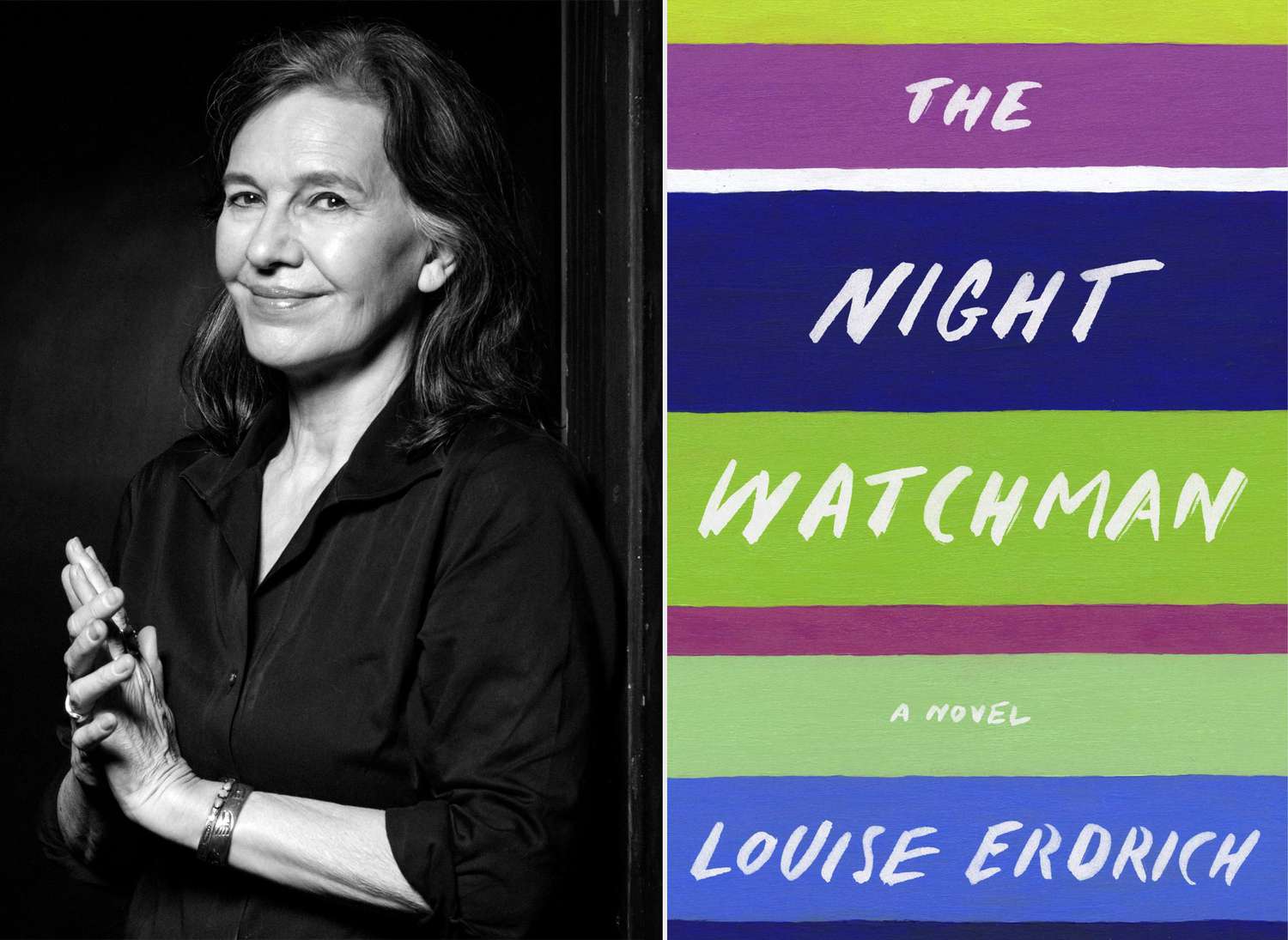
Erdrich
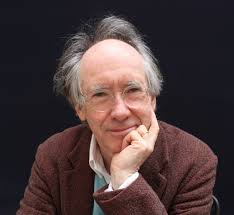
McEwan 2
rs-243008-lin.jpg
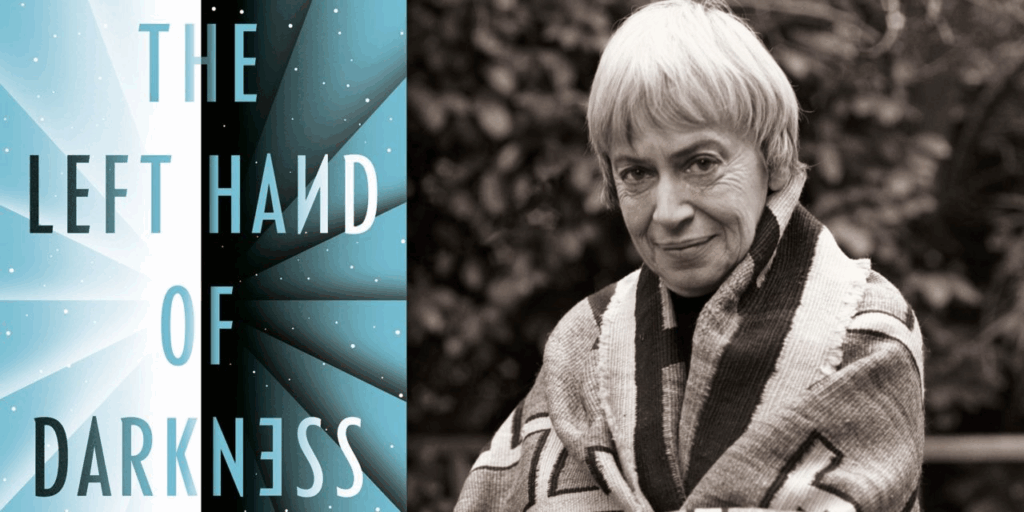
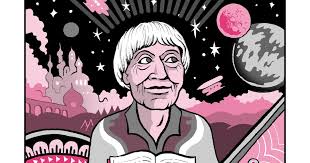
Le Guin
Ozeki
Unknown
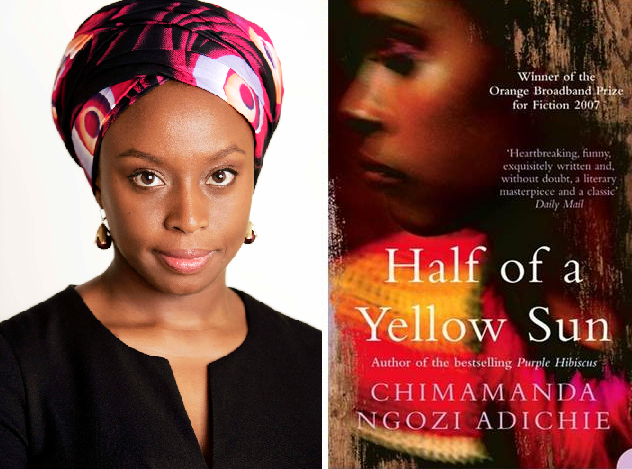
Adichie 2
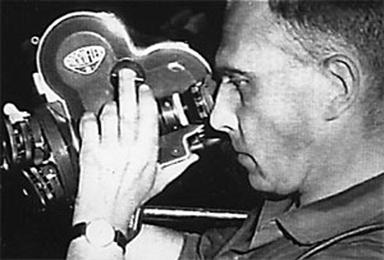
Chris_Marker

Photos: Brittanica (Morrison), Rolling Stone (Miranda), Wikipedia (Bechdel), Brittanica (Erdrich), Massive Science (Le Guin), Harvard Crimson (Adichie), Alan Elkann Interviews (McEwan), Penguin Random House (Ozeki), Wikipedia (Marker)

Some moments in human history are clearly wiser than others. In politics, and in social life more generally, ours seems strikingly unwise.

Continue reading “Wisdom Matters: Reading Literature for a Wiser World”

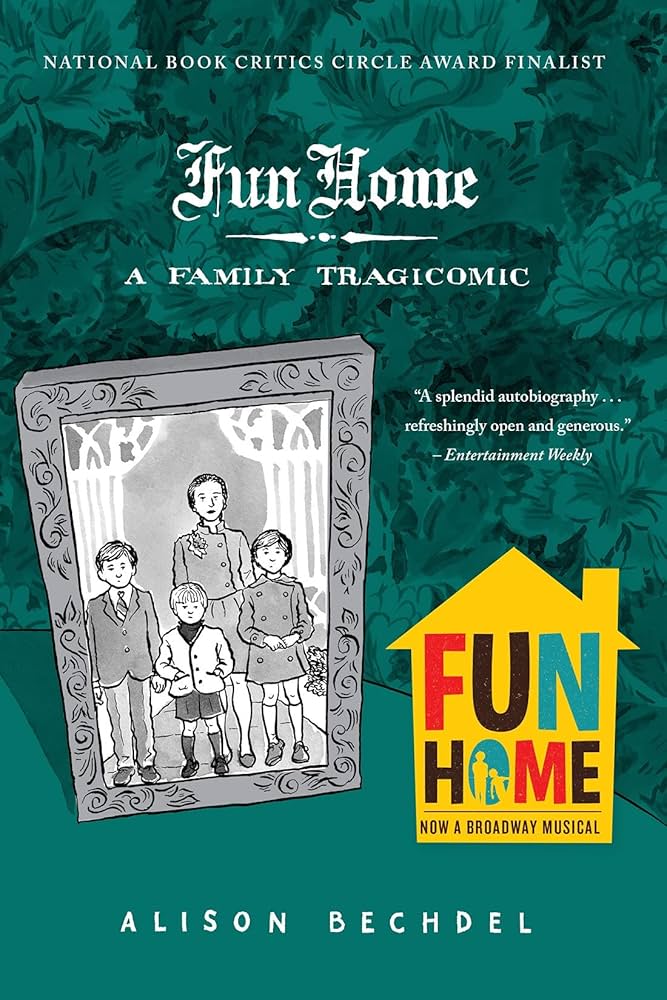
The Wisdom of Fun Home in the Age of AI

81w+SfRYW6L._UF1000,1000_QL80_
picture-8456-1716576035

If wisdom requires that we not take ourselves too seriously “as the center of everything,” then it is appropriate to ask whether the absence of self-mockery in both the generative AI essays and our work as literary critics does not mean that they, and we, fall short of wisdom as Bechdel sees it.

Continue reading “The Wisdom of Fun Home in the Age of AI”

Let This Book Give You Heart

Photo: Entertainment Weekly

Lastly, if you should ever doubt that a series of dry words in a government document can shatter spirits and demolish lives, let this book erase that doubt.  Conversely, if you should be of the conviction that we are powerless to change those dry words, let this book give you heart.

Louise Erdrich, The Night Watchman

Continue reading “Let This Book Give You Heart”

A More Novelistic Approach

Photo: Medium

We do not usually associate wisdom with beginners, but here is a new writer endowed with the gift of ancient storytellers.

Chinua Achebe, “Chimamanda Ngozi Adichie”

Continue reading “A More Novelistic Approach”

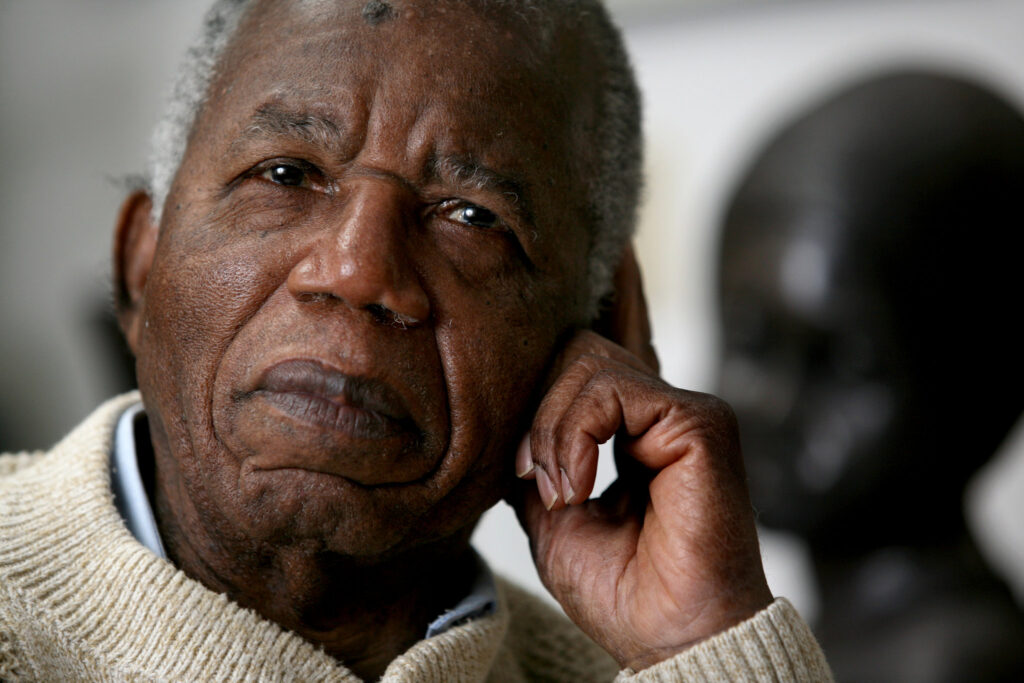
Something Else Stands Beside It

Photo: The New York Times

What is both unfortunate and unjust is the pain the person dispossessed is forced to bear in the act of dispossession itself and subsequently the trauma of a diminished existence…. The psychology of the dispossessed can be truly frightening.

Chinua Achebe, Home and Exile

Continue reading “Something Else Stands Beside It”

Trauma and Community

Photo: She Counseling

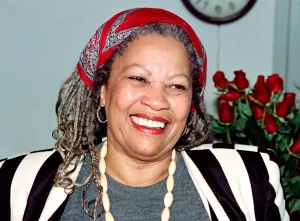
Certain kinds of trauma visited on peoples are so deep, so stupefyingly cruel, that—unlike money, unlike vengeance, even unlike justice, rights, or the good will of others—art alone can translate such trauma and turn sorrow into meaning, sharpening the moral imagination.

Toni Morrison, Roundtable on the Future of the Humanities in a Fragmented World

Continue reading “Trauma and Community”

Simply Human

Photo: Nasty Women Writers

It is only by seeing ourselves as fundamentally other—the contingent product of a culture that has no particular monopoly on truth—that we can come into our wisest possible, most “utterly human” selves.

Continue reading “Simply Human”

Slow Reveals

Photo: Michael Karnavas

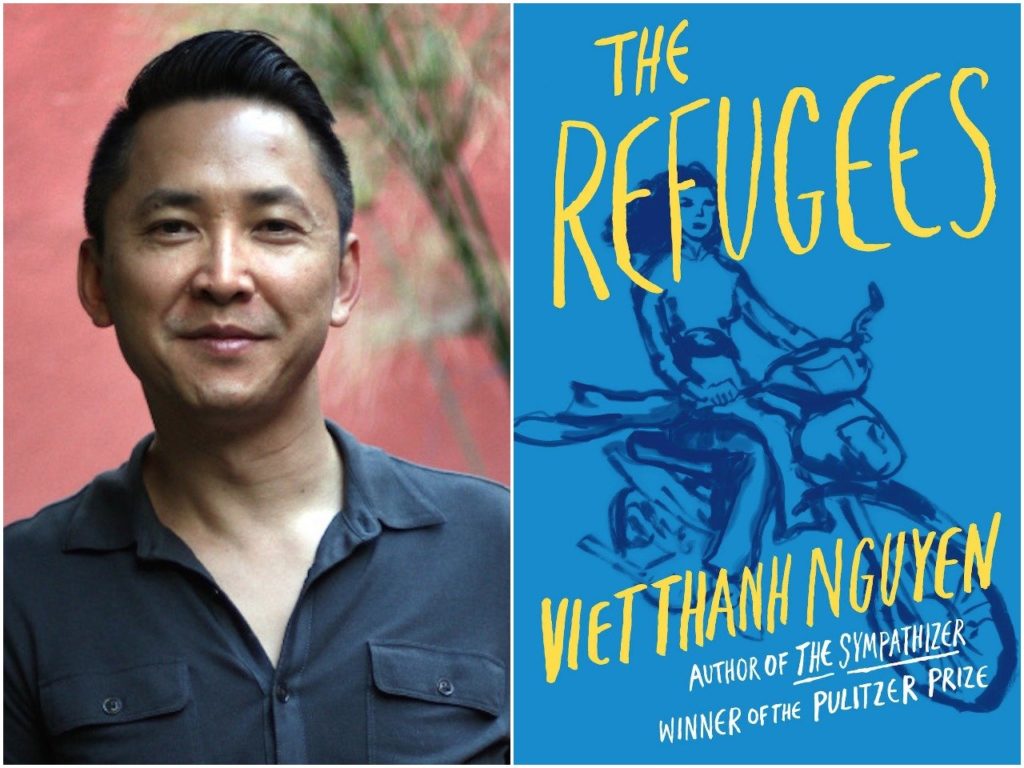
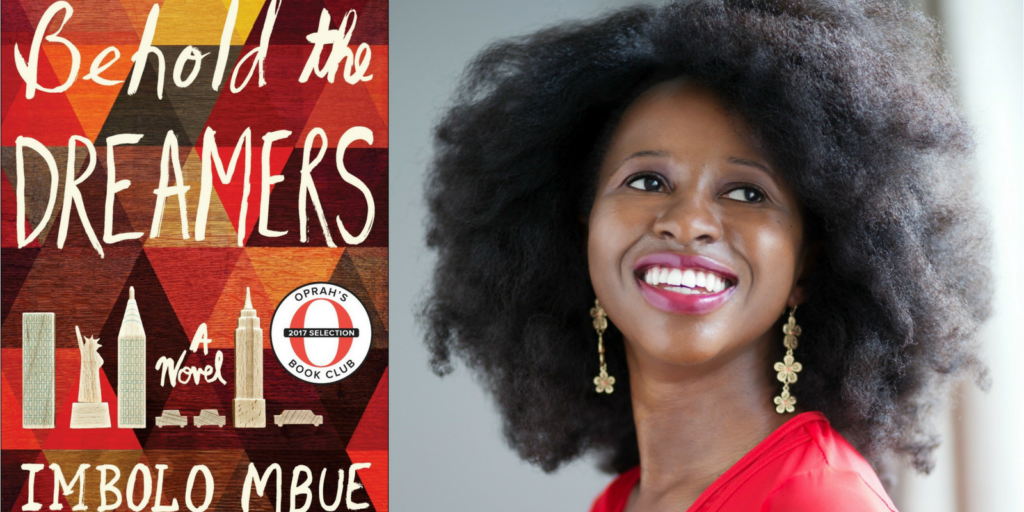
At a time when white masculinity has driven what Barbara Tuchman called “the persistence of unwisdom in government” to new depths, narratives like Mbue’s and Nguyen’s could not be more important, nor more welcome.

Continue reading “Slow Reveals”

Empathy and Irony

Photo: prhinternationalsales.com

But then along comes “Behold the Dreamers,” a debut novel by a young woman from Cameroon that illuminates the immigrant experience in America with the tenderhearted wisdom so lacking in our political discourse. 

Ron Charles, The Washington Post
Continue reading “Empathy and Irony”

Empathy and Cultural Dislocation

Photo: A Mile in My Shoes, Empathy Museum, U.K.

When I think about how I understand my role as citizen, setting aside being president, and the most important set of understandings that I bring to the position of citizen, the most important stuff I’ve learned I think I’ve learned from novels.  It has to do with empathy. 

Barack Obama, in Conversation with Marilynne Robinson

Continue reading “Empathy and Cultural Dislocation”